What is Chinese Cosmology?
Chinese cosmology is also known as Daoism (Taoism). It is an ancient Chinese philosophy that defined Chinese civilization, culture, and thought.
Although my parents owned a furniture store and sold works of art referencing Chinese cosmology, they rarely spoke about it. However, from an early age, I was fascinated by Chinese folklore and mythology. I drew dragons and phoenixes and read Chinese folklore as a way to understand my cultural identity.
According to my family, their generation - and those who identify as Chinese mainlanders - seem to perceive Taoism as fraudulent or scammy; however, it is popular in places where diasporic Chinese live, like Hong Kong and Taiwan.
Recently, I have seen a surge in Chinese fantasy, especially written by Asian-Americans exploring Chinese cosmology, due to its anti-colonial and anti-imperial connotations. Chinese cosmology considers nature a spiritual force, much like other indigenous cosmologies around the world.
Below are some important Chinese cosmology concepts I reference in my art:
Wuxing
From the internet Encyclopedia of Philosophy, here is a pretty good description of wuxing:
The Chinese term wuxing (wu-hsing, “five processes” or “five phases”) refers to a fivefold conceptual scheme that is found throughout traditional Chinese thought. These five phases are wood (mu), fire (huo), earth (tu), metal (jin), and water (shui); they are regarded as dynamic, interdependent modes or aspects of the universe’s ongoing existence and development.
Based on my research, it is my personal belief that an understanding of wuxing is an understanding of all patterns in the universe, how they interact, and how qi (yin and yang energy) powers these transformations.
I think of the wuxing as transformations or transmutations in generative and destructive cycles. See a basic image (from Wikipedia) below for reference:
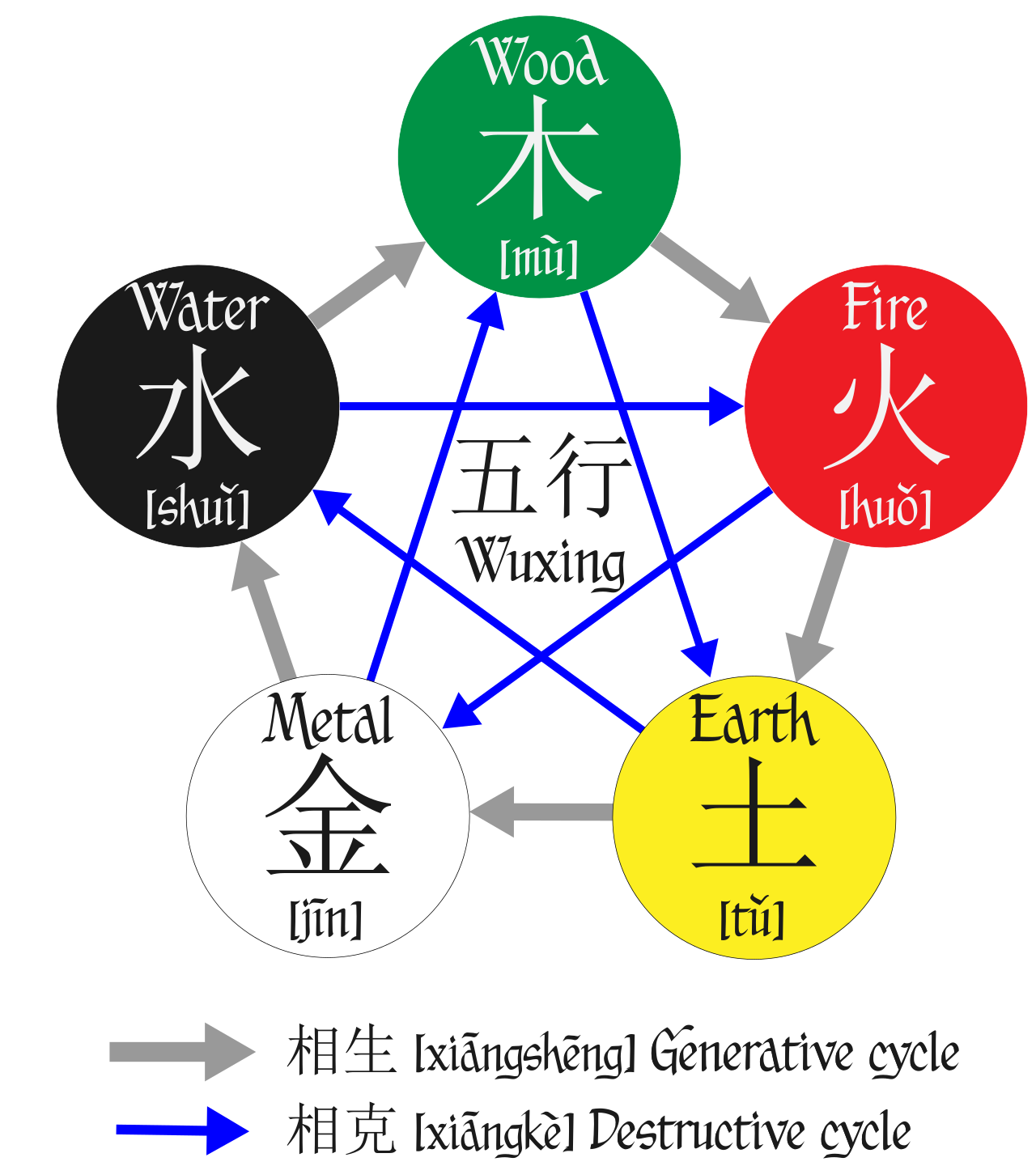
Wuxing can be used to describe all natural phenomena in the world (and the universe). It informs Chinese medicine, arts, philosophy, etc (the list goes on).
The generative order of things foretell wellbeing, prosperity, and success. The destructive order signify calamity, tragedy, and/or downfalls to come.
Just like the elements themselves, both generative and destructive cycles have their purpose and place and keep the balance of the universe in order.
When I first learned metal sculpture techniques (like welding), it felt completely natural and intuitive to me. As a creative person with a lot of “fire,” this made total sense to me.
He Tu Spiral and Lo Shu Square
These are two mathematical diagrams, divinely gifted, that explain the five elements and form the foundation for yin and yang.
While I find the diagrams aesthetically beautiful, I do not play around with the math as much as I would like, but it is a core part of my understanding of Chinese cosmology.
Both diagrams form the basis for I Ching divination and feng shui, two practices that I perform on a regular basis
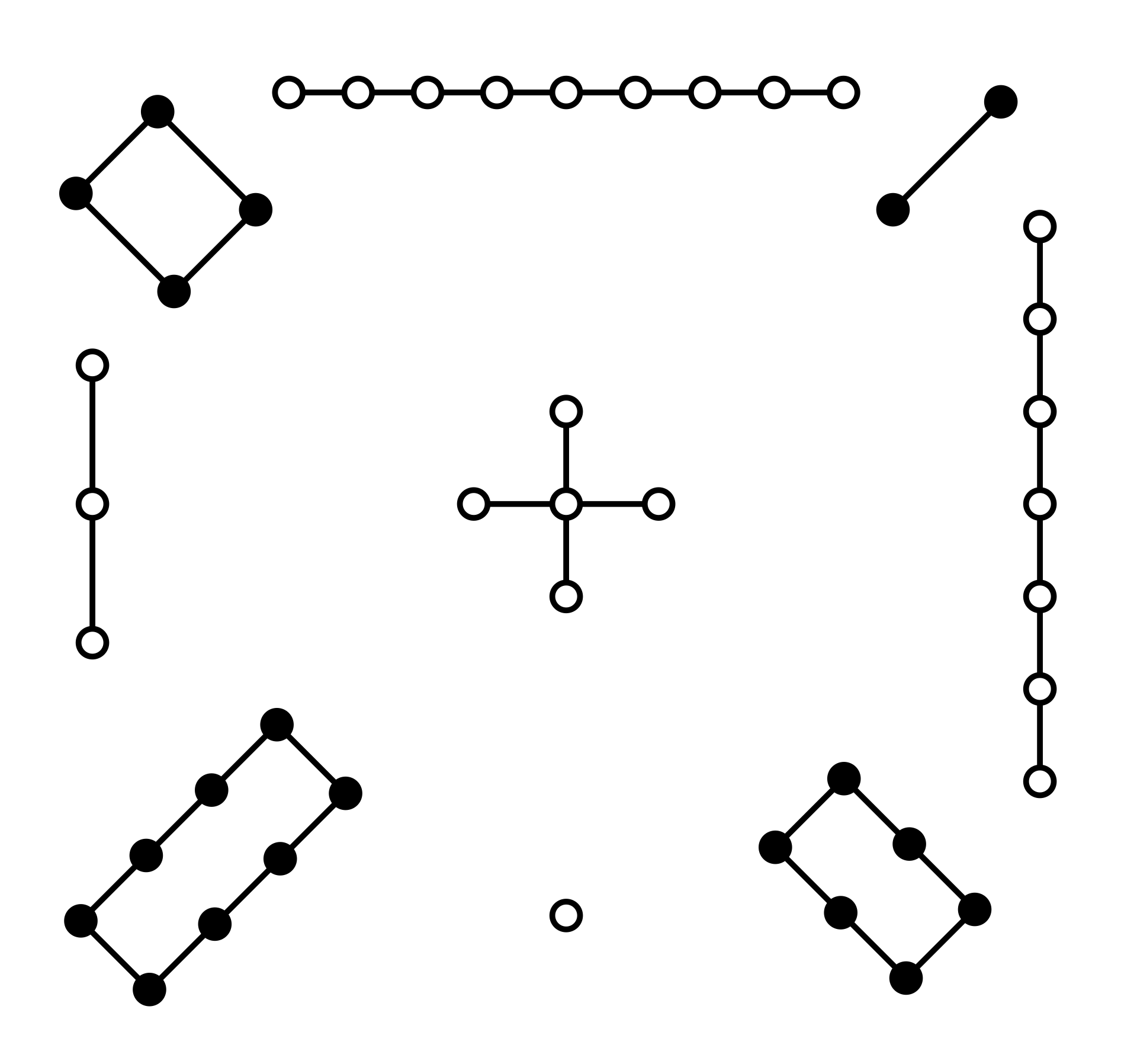
The Lo Shu square
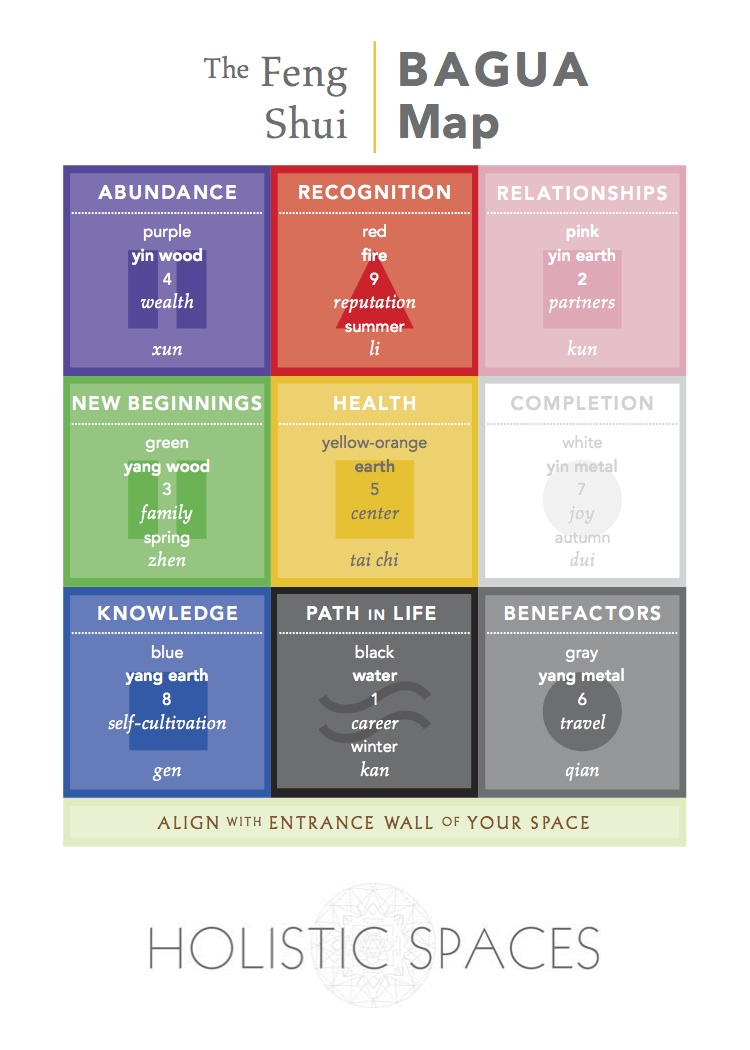
Feng Shui based on the Lo Shu: https://www.anjiecho.com/holistic-spaces-blog/feng-shui-energy-map?rq=ba%20gua
Fu Talismans
I am currently working on a series of metal sculptures that borrow sigils from an ancient Book of Methods. This was in Bell Wen’s Tao of Craft, a book I highly recommend for Asian diasporic practitioners who can’t read Chinese. Here is a teaser of what cloud writing looks like on her website.
Wen, a Taiwanese-American attorney, read through Chinese texts and came up with her own Book of Methods. The historical insight is invaluable as not many English translations of ancient Chinese texts exist.
Wen includes practical methods and spells in her text with an understanding that this is a matriarchal approach, as it was usually women, children, and the vulnerable, etc who needed magic.
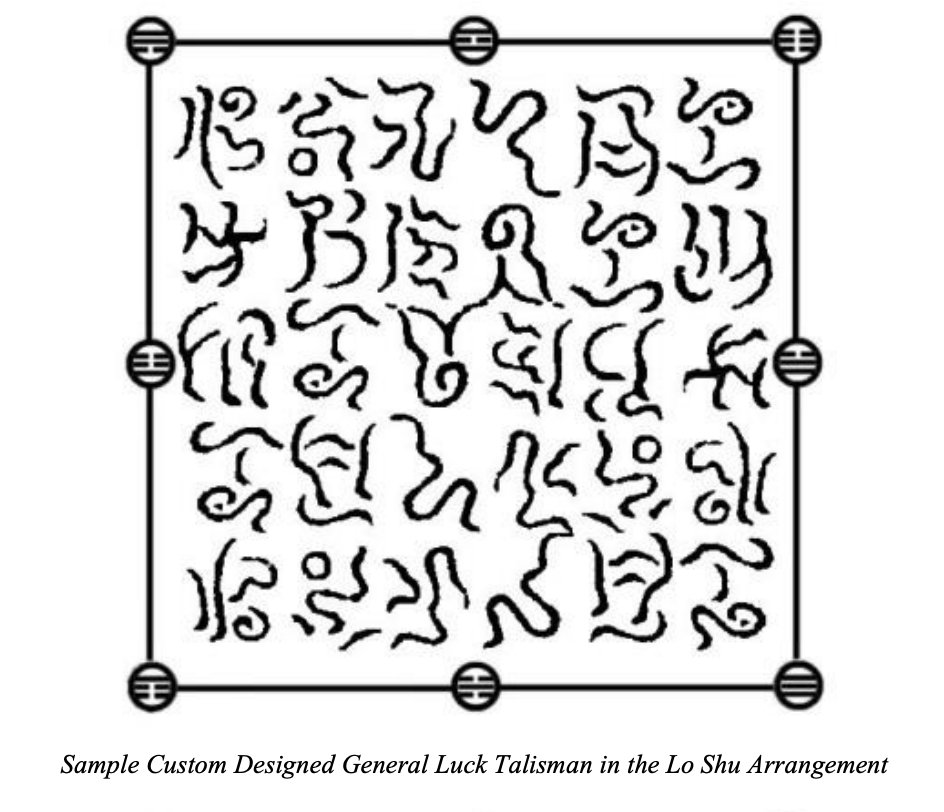
I will continue updating this article as I integrate more Chinese cosmology into my art.